Nobody knows yet

Siddhartha Gautama
c. 5th century BCE
In the traditional account, he was a prince who left palace life, his wife and their infant son to seek an answer to why people suffer. His teachings became the foundation of a tradition practised by hundreds of millions of people.
Mind precedes all things; mind is their chief, they are mind-made.
Dhammapada, verse 1 (English paraphrase)
World Imaging · Public domain
.jpeg)

Albert Einstein
1879–1955
In 1905, while working as a clerk at the patent office in Bern, he published four papers in a single year: on light as quanta, Brownian motion, special relativity, and E = mc². His first marriage broke down; after the 1914 separation, he lived in Berlin while his sons grew up in Switzerland. A vocal pacifist, he later signed the 1939 letter to Roosevelt warning about nuclear weapons.
Vienna, 1921 · Ferdinand Schmutzer; restored by Adam Cuerden · Public domain
.jpg)

Ludwig van Beethoven
1770–1827
At thirty-one, already going deaf, he wrote a letter to his brothers describing his despair and never sent it. The Ninth Symphony came twenty-two years later. He also spent years fighting his sister-in-law for custody of his nephew Karl.
It was only my art that held me back. It seemed to me impossible to leave the world until I had brought forth all that I felt was within me.
Heiligenstadt Testament, 6 October 1802
Ludwig van Beethoven · Public domain


Marie Curie
1867–1934
Two Nobel Prizes, in two different sciences. She named polonium after a country that did not, at the time, exist on the map. Her notebooks are still radioactive.
Paris, c. 1920 · Henri Manuel · Public domain
.jpg)


Harriet Tubman
c. 1822–1913
Escaped slavery in 1849, then went back into Maryland about thirteen times and led some seventy people out. She never lost one.
Powelson, Benjamin F. 1823 - 1885 · Public domain
.jpg)

Srinivasa Ramanujan
1887–1920
Largely self-taught in Kumbakonam. His notebooks hold thousands of results; some were proved only decades after he died at thirty-two.
.jpg)

Florence Nightingale
1820–1910
Brought the death rate down in the Crimean hospitals by sanitation, then drew a diagram so that Parliament could see why.
Henry Hering (1814-1893) · Public domain
.jpg)

Rabindranath Tagore
1861–1941
Poet, composer, painter, founder of a school. Two countries sing anthems he wrote.


Katsushika Hokusai
1760–1849
Made the Great Wave at about seventy, and wrote that nothing he had drawn before the age of seventy was worth counting.


Ignaz Semmelweis
1818–1865
In one Vienna maternity clinic, maternal mortality fell from roughly 18% to around 2% after he required hand-washing. He was ridiculed for it, and died in an asylum.
József Borsos / Albert Doctor · Public domain


Imhotep
27th century BCE
Probably designed the Step Pyramid at Saqqara, the earliest large stone building known.


Confucius
551–479 BCE
A teacher whose students wrote down what he said. Two and a half thousand years of East Asian ethics followed.
Anonymous Chinese painter of the Western Han period · Public domain


Socrates
c. 470–399 BCE
Wrote nothing. Asked questions in the marketplace until the city executed him.
Copy of Lysippos (?) · Public domain


Aristotle
384–322 BCE
Biology, logic, physics, ethics, poetics, politics. Much of it wrong, all of it the start of a subject.
After Lysippos · Public domain


Euclid
fl. 300 BCE
Thirteen books of geometry, each step following from the last. A textbook for two thousand years.
Jusepe de Ribera (Spanish / Italian, 1591 - 1652) (1591 - 1652) – artist (Spanish / Italian) Details on Google Art Project · Public domain


Ashoka
c. 304–232 BCE
An emperor who, after a war, had his regret carved on rocks and pillars across India.

Eratosthenes
c. 276–194 BCE
Measured the circumference of the Earth with a well, a shadow and a stick, and came close.

Hypatia
c. 350–415
Taught mathematics and philosophy in Alexandria. Killed by a mob.
Alfred Seifert · Public domain


Avicenna
980–1037
His Canon of Medicine was a standard medical textbook in Europe and the Islamic world for six hundred years.
.jpg)

Hildegard of Bingen
1098–1179
Composed music, wrote on medicine and botany, and invented a language, from a convent on the Rhine.
Creator not recorded · Public domain


Fibonacci
c. 1170–1250
Helped popularise Hindu–Arabic numerals in Europe through Liber abaci (1202), drawing on mathematics he learned in North Africa.


Rumi
1207–1273
A Persian poet whose verses are still sung in Turkey, Iran, Afghanistan and beyond.
Hossein Behzad · Public domain
.jpg)

Ibn Battuta
1304–1369
Travelled roughly 120,000 kilometres over thirty years and dictated what he had seen.
Léon Benett · Public domain


Filippo Brunelleschi
1377–1446
Built the dome of Florence cathedral without scaffolding from the ground, and worked out linear perspective.
scan uploaded by Sailko, cropped by MenkinAlRire · Public domain


Johannes Gutenberg
c. 1400–1468
Movable metal type and a press. He died in debt.

Leonardo da Vinci
1452–1519
Painter, anatomist, engineer. Filled thousands of notebook pages, most of them unpublished in his lifetime.

Nicolaus Copernicus
1473–1543
Put the Sun in the middle. Published the year he died.

Henry Dunant
1828–1910
Saw a battlefield at Solferino and founded the Red Cross. Went bankrupt; the first Nobel Peace Prize found him in a hospice.

Emily Dickinson
1830–1886
Nearly eighteen hundred poems, fewer than a dozen published while she lived.

Vincent van Gogh
1853–1890
About eight hundred and sixty paintings in ten years. He sold almost none of them.

Nikola Tesla
1856–1943
Alternating current, the induction motor, radio-controlled boats. Died in a hotel room, in debt.

Hilma af Klint
1862–1944
Painted abstractions before Kandinsky and asked that they not be shown for twenty years after her death.

Mary Anderson
1866–1953
Patented the windscreen wiper in 1903. Nobody bought it; the patent expired.

Scott Joplin
c. 1868–1917
Ragtime. Died in an asylum; the Pulitzer came fifty-nine years later.

Franz Kafka
1883–1924
An insurance clerk who asked that his manuscripts be burned. His friend refused.

Zora Neale Hurston
1891–1960
Novelist and anthropologist. Died in poverty; her grave was unmarked for thirteen years.

Sergei Korolev
1907–1966
Designed the first satellite and the first crewed flight after six years in the Gulag. His name was a state secret until he died.

Louise Bourgeois
1911–2010
Her first retrospective came at seventy-one. Spiders followed.

Ben Enwonwu
1917–1994
Nigerian sculptor and painter; his lost portrait Tutu was found in a London flat in 2018.

Toni Morrison
1931–2019
An editor who began writing novels at thirty-nine. The Nobel came at sixty-two.

Galileo Galilei
1564–1642
Pointed a telescope at Jupiter and saw moons. Spent his last years under house arrest.

Artemisia Gentileschi
1593–c. 1656
A painter in a century that did not admit women to the academies; the academies admitted her.

Sophie Germain
1776–1831
Studied mathematics under a man's name because women were not admitted; proved a case of Fermat's Last Theorem.

Mary Anning
1799–1847
Found the first complete plesiosaur on the Dorset coast, and was not admitted to the Geological Society.

Mary Seacole
1805–1881
Nursed soldiers in the Crimea at her own expense after the War Office turned her down.

Elizabeth Blackwell
1821–1910
The first woman to receive a medical degree in the United States, in 1849, after twenty-nine schools said no.

Gregor Mendel
1822–1884
A friar counting peas in a monastery garden. Genetics; ignored for thirty-five years.

Savitribai Phule
1831–1897
Opened a school for girls in Pune in 1848 and was pelted with dung on her way to teach.

Auguste Rodin
1840–1917
Rejected three times by the École des Beaux-Arts.

Berthe Morisot
1841–1895
Exhibited in seven of the eight Impressionist exhibitions. Her death certificate said: no profession.

Lise Meitner
1878–1968
Worked out nuclear fission with her nephew on a walk in the snow. The Nobel went to her colleague.

Emmy Noether
1882–1935
Her theorem links every symmetry in physics to a conserved quantity. She taught unpaid for years.

Igor Stravinsky
1882–1971
The Rite of Spring, 1913. The audience rioted.

Barbara McClintock
1902–1992
Found that genes move. She was not believed for thirty years.

Chien-Shiung Wu
1912–1997
Showed that nature tells left from right. The Nobel went to the two men who had suggested the experiment.

Maurice Hilleman
1919–2005
Developed more than forty vaccines, including measles, mumps and hepatitis B. Almost nobody knows his name.

Rosalind Franklin
1920–1958
Her photograph 51 showed the double helix.

Astor Piazzolla
1921–1992
Took the tango from the dance hall to the concert hall and was hated for it in Buenos Aires.

Paulo Freire
1921–1997
Taught sugar-cane workers to read using their own words, and was exiled for it.

Nina Simone
1933–2003
Trained for the concert hall, refused by the conservatory; sang the civil rights movement instead.

Zaha Hadid
1950–2016
Buildings that seemed impossible to build, for a decade unbuilt, then everywhere.

Miguel de Cervantes
1547–1616
Wrote Don Quixote after years as a soldier, a captive and a tax collector.

Antonie van Leeuwenhoek
1632–1723
A draper who ground his own lenses and was the first person to see bacteria.

Johann Sebastian Bach
1685–1750
Church music for a living. Over a thousand works; the Goldberg Variations were written to help someone sleep.

Michael Faraday
1791–1867
A bookbinder's apprentice who discovered electromagnetic induction. Every generator descends from it.

Josephine Cochrane
1839–1913
Invented the dishwasher because the servants kept chipping the china.

Anne Sullivan
1866–1936
Her teacher. Spelled the word water into a child's hand at a pump.

Wilbur Wright
1867–1912
With his brother, ran a bicycle shop and built the first aeroplane.

Charlie Chaplin
1889–1977
A London workhouse childhood, then the most recognised face on earth.

Shoji Hamada
1894–1978
A potter in Mashiko who refused to sign his pots. If they were good, he said, that was enough.

Chiune Sugihara
1900–1986
A Japanese consul in Lithuania who wrote transit visas by hand, against orders, for thousands of Jews.

Louis Armstrong
1901–1971
Learned the cornet in a home for delinquent boys in New Orleans.

Ella Baker
1903–1986
Organised for fifty years and refused to be the face of it. Strong people don't need strong leaders, she said.

Simone Weil
1909–1943
A philosopher who worked in a Renault factory to know what labour was.

Naguib Mahfouz
1911–2006
Cairo in thirty-four novels. A civil servant until sixty.

Saalumarada Thimmakka
born c. 1911
Childless, she and her husband planted and watered hundreds of banyan trees along a road in Karnataka.

Fannie Lou Hamer
1917–1977
A sharecropper who registered to vote at forty-four, was beaten for it, and then registered others.

Vasili Arkhipov
1926–1998
In October 1962, aboard a submarine under depth charges, he refused to agree to fire a nuclear torpedo.

Abdul Sattar Edhi
1928–2016
Ran the largest volunteer ambulance service in the world from Karachi, and owned two sets of clothes.

Dashrath Manjhi
1934–2007
Carved a road through a hill in Bihar with a hammer and chisel. It took twenty-two years.

Jane Goodall
born 1934
Went to Gombe in 1960 with no degree and a notebook, and watched chimpanzees for sixty years.

Valentina Tereshkova
born 1937
A textile worker who flew forty-eight orbits alone in 1963.

Ali Farka Touré
1939–2006
A farmer from Niafunké who showed where the blues came from.

Stanislav Petrov
1939–2017
On 26 September 1983 the screens said five missiles were coming. He decided it was a false alarm.

Chico Mendes
1944–1988
A rubber tapper who organised to protect the Amazon and was killed for it.

Octavia E. Butler
1947–2006
Science fiction written at dawn before shifts as a dishwasher and a telemarketer.

Jadav Payeng
born 1963
Planted a tree a day on a sandbar in Assam from 1979. It is now a forest larger than Central Park.

Hippocrates
c. 460–370 BCE
Separated medicine from magic: illness had natural causes, and could be observed.

Archimedes
c. 287–212 BCE
Levers, buoyancy, the volume of a sphere, and a method very close to calculus, in Syracuse.

Zhang Heng
78–139
Built a seismoscope that indicated the direction of a distant earthquake, in the year 132.

Aryabhata
476–550
Gave π to four decimal places and proposed the Earth turns on its axis.

Brahmagupta
598–668
Set out rules for zero and for negative numbers in 628.

Ibn al-Haytham
c. 965–1040
Showed that we see because light enters the eye, and tested it. Optics began there.

Bi Sheng
c. 970–1051
Invented movable type in clay, four hundred years before Gutenberg.

Murasaki Shikibu
c. 973–1014
Wrote The Tale of Genji at the Heian court, around the year 1000. Arguably the first novel.

Shen Kuo
1031–1095
Described the magnetic compass needle, fossils, and movable type in one book of essays.

Al-Jazari
1136–1206
Built water-raising machines, a crankshaft, and programmable automata, and drew every part.

Maria Sibylla Merian
1647–1717
Sailed to Suriname at fifty-two to draw insects, and showed that caterpillars become butterflies.

Edward Jenner
1749–1823
Vaccinated a boy with cowpox in 1796. Smallpox was declared eradicated in 1980.

Charles Babbage
1791–1871
Designed a programmable computer in the 1830s. It was never built in his lifetime.

John Snow
1813–1858
Mapped cholera deaths in Soho in 1854 and had the handle removed from one pump.

Ada Lovelace
1815–1852
Wrote the first published algorithm for a machine that did not yet exist, in 1843.

Maria Montessori
1870–1952
Watched children in a Rome slum and rebuilt the classroom around what she saw.

Grace Hopper
1906–1992
Wrote the first compiler. Insisted that programs could be written in something like English.

Rachel Carson
1907–1964
Silent Spring, 1962. The environmental movement has a starting date.

Alan Turing
1912–1954
Defined computation in 1936, broke Enigma, asked whether machines can think. Prosecuted for being gay.

Hedy Lamarr
1914–2000
A film star who co-invented frequency hopping in 1941. Wi-Fi and Bluetooth descend from it.

Claude Shannon
1916–2001
Defined information in 1948. Every file size is measured in his units.

Radia Perlman
born 1951
Invented the spanning-tree protocol that lets networks route around themselves.

Maimonides
c. 1135–1204
A physician and Jewish community leader in Egypt who wrote on law, medicine and philosophy. His Mishneh Torah and Guide for the Perplexed are still studied.

Sejong the Great
1397–1450
Had an alphabet designed so that ordinary Koreans could learn to read in days.

Michelangelo
1475–1564
The David at twenty-six. The Sistine ceiling by thirty-seven. Still working at eighty-eight.

Mimar Sinan
c. 1490–1588
Chief architect of the Ottoman Empire for fifty years; hundreds of buildings, including the Selimiye Mosque at eighty.

Andreas Vesalius
1514–1564
Dissected human bodies himself and corrected a thousand years of anatomy.

Sen no Rikyū
1522–1591
Turned the tea ceremony into a discipline of simplicity. Ordered to kill himself by his patron.

William Shakespeare
1564–1616
Thirty-odd plays; the English language has not recovered.

Johannes Kepler
1571–1630
Worked out that planets move in ellipses, from another man's measurements.

Johannes Vermeer
1632–1675
About thirty-five paintings survive. Light on a wall in Delft.

Isaac Newton
1643–1727
Gravity, motion, optics, calculus. He said he had seen further by standing on the shoulders of giants.

Antonio Stradivari
1644–1737
Around a thousand instruments in Cremona; about six hundred survive, and nobody has quite matched them.

Sor Juana Inés de la Cruz
1648–1695
A nun in Mexico City who wrote poetry, plays and philosophy and defended a woman's right to study.

Leonhard Euler
1707–1783
Wrote more mathematics than anyone before or since, much of it after going blind.

Wolfgang Amadeus Mozart
1756–1791
Six hundred works by thirty-five.

Carl Friedrich Gauss
1777–1855
Corrected his father's payroll arithmetic at three, so the story goes; the rest of mathematics followed.

Moses Montefiore
1784–1885
Retired from the stock exchange before forty and spent the next six decades supporting poor and persecuted Jews. Travelled to Russia, Morocco and the Ottoman Empire to argue for their protection.

Charles Darwin
1809–1882
Twenty years of notes before he published. Natural selection.

Clara Schumann
1819–1896
One of the great pianists of her century, from the age of eleven, while raising eight children.

Joseph Bazalgette
1819–1891
Built London's sewers, and made them twice as big as needed. They are still in use.

Fyodor Dostoevsky
1821–1881
Sentenced to death, reprieved at the last minute, sent to Siberia. Then the novels.

Louis Pasteur
1822–1895
Germs cause disease. Vaccines for anthrax and rabies. The milk is named after him.

Joseph Lister
1827–1912
Antiseptic surgery. Patients began surviving operations.

Leo Tolstoy
1828–1910
War and Peace, Anna Karenina, and a school for peasant children on his own estate.

James Clerk Maxwell
1831–1879
Four equations: light is an electromagnetic wave.

Dmitri Mendeleev
1834–1907
Arranged the elements in a table with gaps, and predicted what would fill them.

Paul Cézanne
1839–1906
Painted the same mountain again and again until painting itself changed.

Claude Monet
1840–1926
Painted water lilies for the last thirty years of his life, going blind.

Emily Warren Roebling
1843–1903
When her husband fell ill, she oversaw the completion of the Brooklyn Bridge.

Wilhelm Röntgen
1845–1923
Found X-rays in 1895 and refused to patent them.

Antoni Gaudí
1852–1926
Began the Sagrada Família in 1883. It is still being built.

Booker T. Washington
1856–1915
Born into slavery; helped build the school that became Tuskegee University, starting in a borrowed shack.

Jane Addams
1860–1935
Opened Hull House in Chicago in 1889 and lived there among the people it served.

Theodor Herzl
1860–1904
A journalist and playwright who published The Jewish State in 1896 and convened the First Zionist Congress in 1897. He died in 1904, before Israel was established.

Henrietta Szold
1860–1945
Founded Hadassah in 1912 to build health services in Palestine. Later directed Youth Aliyah’s work there, arranging homes, care and education for Jewish children escaping Nazi Europe.

Waldemar Haffkine
1860–1930
Developed vaccines against cholera and plague and brought them into use in India. Tested the cholera vaccine on himself before taking it into the field.

Fridtjof Nansen
1861–1930
Polar explorer, then the man who found homes for hundreds of thousands of refugees after the First World War.

Ida B. Wells
1862–1931
Documented lynchings in the United States, one by one, when no newspaper would.

George Washington Carver
c. 1864–1943
Taught poor farmers in the South to restore their soil. Hundreds of uses for the peanut.

Käthe Kollwitz
1867–1945
Drew the poor, the grieving and the dead for fifty years. The Nazis removed her work from the museums.

Frank Lloyd Wright
1867–1959
Over a thousand designs; Fallingwater over a waterfall; the Guggenheim at ninety-one.

Lillian Wald
1867–1940
Founded Henry Street Settlement in 1893 and brought nursing into the homes of New York’s immigrant poor. By 1913, its 92 nurses were making about 200,000 visits a year.

Karl Landsteiner
1868–1943
Blood groups. Transfusions stopped killing people.

Mahatma Gandhi
1869–1948
A lawyer who worked out how to resist an empire without a weapon.

Rosa Luxemburg
1871–1919
Economist, revolutionary. Murdered in Berlin and thrown into a canal.

The Hague, January 1873
Vincent van Gogh, age 19, a junior clerk at an art dealer's.

Mary McLeod Bethune
1875–1955
Started a school for Black girls with $1.50 and five pupils. It became a university.

Albert Schweitzer
1875–1965
Theologian, organist, then a doctor in Lambaréné for fifty years.

Constantin Brâncuși
1876–1957
Walked from Bucharest to Paris. Then reduced sculpture to its essence.

Willis Carrier
1876–1950
Air conditioning. Half the cities of the world are habitable in summer because of it.

Janusz Korczak
1878–1942
Ran a Jewish orphanage in Warsaw. Refused friends’ offers to help him escape and stayed with the children when they were deported to Treblinka.

Helen Keller
1880–1968
Deaf and blind from nineteen months; the first such person to earn a degree.

Pablo Picasso
1881–1973
Fifty thousand works; he changed styles the way other people change shirts.

Alexander Fleming
1881–1955
Noticed a mould killing bacteria on a dish he had forgotten to clean.

Virginia Woolf
1882–1941
Rebuilt the novel from the inside of a mind.

Warsaw, 1883
Maria Skłodowska, age 16.
Later known as Marie Curie.

Niels Bohr
1885–1962
The quantum atom; then, in 1943, a fishing boat to Sweden ahead of the Gestapo.

Aristides de Sousa Mendes
1885–1954
Issued Portuguese transit visas to refugees in Bordeaux in 1940, including Jews barred by his government’s restrictions. He defied those orders and lost his diplomatic post.

Diego Rivera
1886–1957
Murals the size of walls, for people who did not go to galleries.

Tarsila do Amaral
1886–1973
Painted Brazil in its own colours; modernism arrived in São Paulo through her.

Nikolai Vavilov
1887–1943
Collected seeds from five continents to feed the world; starved to death in a Soviet prison.

Nadia Boulanger
1887–1979
Taught composition to much of the twentieth century.

Anna Akhmatova
1889–1966
Memorised her poems and had friends memorise them, because writing them down was a death sentence.

Frederick Banting
1891–1941
Insulin, in 1921. He sold the patent for one dollar.

Wilder Penfield
1891–1976
Mapped the living human brain by asking awake patients what they felt.

Gisi Fleischmann
1892–1944
Organised aid and escape routes for Jews in Slovakia, then helped lead an underground group trying to halt deportations. She stayed to continue the work and was murdered at Auschwitz in 1944.

Recha Freier
1892–1984
Founded Youth Aliyah in Berlin in 1933 to help Jewish children leave Nazi Germany for Palestine. The organisation brought about 5,000 young people out before the war.

Lili Boulanger
1893–1918
The first woman to win the Prix de Rome for composition, at nineteen. Dead at twenty-four.

1894
Albert Einstein, age 15.

Carl Lutz
1895–1975
Issued protective papers and helped establish safe houses for Jews in Budapest in 1944. Working with Jewish organisers, his wife Gertrud and other diplomats, he helped save tens of thousands.

Janaki Ammal
1897–1984
A botanist who made Indian sugarcane sweeter and later fought to save the Silent Valley forest.

Dorothy Day
1897–1980
Houses of hospitality for the poor, a newspaper sold for a penny, for fifty years.

Umm Kulthum
c. 1898–1975
On the first Thursday of every month the Arab world stopped to listen to her on the radio.

Jorge Luis Borges
1899–1986
Libraries, labyrinths, infinite books; a librarian who went blind.

Duke Ellington
1899–1974
Wrote more than a thousand compositions for the orchestra he kept together for fifty years.

Anni Albers
1899–1994
Weaving as art; the first textile artist given a solo show at the Museum of Modern Art.

Ludwig Guttmann
1899–1980
Sheltered Jews in his Breslau hospital during the November 1938 pogrom. After escaping to Britain, he developed spinal injury rehabilitation and organised the wheelchair games that grew into the Paralympics.

Hassan Fathy
1900–1989
Built for the poor in Egypt with mud brick and the vaults their ancestors had used.

Witold Pilecki
1901–1948
Volunteered to be sent to Auschwitz to report on it from inside. Escaped. Executed by the communist government.

Langston Hughes
1901–1967
Poems in the rhythm of jazz, for and about ordinary Black life.

Ho Feng-Shan
1901–1997
As China’s consul in Vienna, he issued visas that helped Jews leave Nazi-controlled Austria, despite orders from his superior. Some used the papers to reach Shanghai; others escaped elsewhere.

Lucie Rie
1902–1995
Fled Vienna in 1938 and made pots in a London mews for fifty years.

John von Neumann
1903–1957
Game theory, the computer architecture still in use, and the mathematics of quantum mechanics.

Barbara Hepworth
1903–1975
Carved stone in St Ives for forty years.

George Nakashima
1905–1990
Learned woodworking in an internment camp; furniture that follows the tree.

Dmitri Shostakovich
1906–1975
Fifteen symphonies under Stalin, several written expecting arrest.

Hannah Arendt
1906–1975
Escaped a camp in France; then thought harder about totalitarianism than anyone.
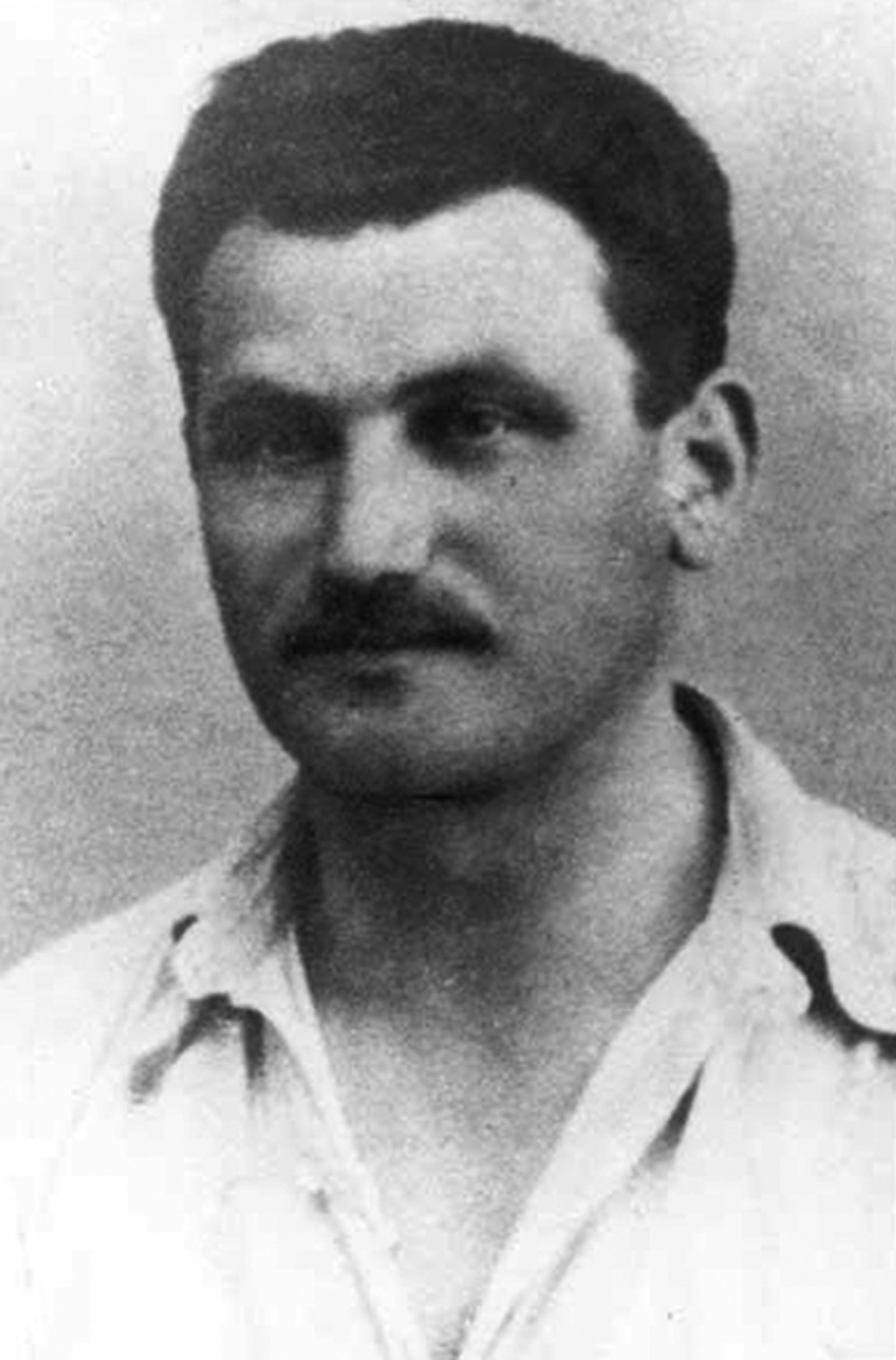
Tuvia Bielski
1906–1987
With his brothers, built a forest refuge for Jews escaping the Nazis in occupied Belarus. Their camp had a school, an infirmary and workshops; more than 1,200 Jews survived under their protection.

Albert Sabin
1906–1993
Developed an oral polio vaccine with his research team, first made available in 1961. It could be given by mouth and became part of vaccination campaigns around the world.

Frida Kahlo
1907–1954
Painted from a bed after a bus crash, mostly herself, because she was the subject she knew best.

Charles and Ray Eames
1907–1978 · 1912–1988
Chairs, films, exhibitions. The best for the most for the least.

Oscar Niemeyer
1907–2012
Designed Brasília and kept working past a hundred.

Varian Fry
1907–1967
Went to Marseille in 1940 to help people trapped by Nazi persecution. His team arranged papers, shelter and escape routes for about 2,000 refugees, including Marc Chagall and Hannah Arendt.

Abraham Joshua Heschel
1907–1972
A rabbi and philosopher who taught Jewish ethics in New York and campaigned for Soviet Jews. In 1965, he marched beside Martin Luther King Jr. from Selma for voting rights.

Remedios Varo
1908–1963
Fled two wars to Mexico and painted worlds of her own for ten years.

Oskar Schindler
1908–1974
Initially profited from Jewish forced labour. Later spent his earnings protecting about a thousand Jewish prisoners at Brünnlitz, with help from his wife Emilie and the prisoners themselves.

Virginia Apgar
1909–1974
A one-minute score for newborn babies, still used in every delivery room.

Nicholas Winton
1909–2015
Helped organise the escape of hundreds of children, most of them Jewish, from Czechoslovakia in 1939. From London, he raised money and found foster homes while colleagues arranged departures in Prague.

Irena Sendler
1910–2008
Helped organise hiding places and false identities for Jewish children in occupied Warsaw. Arrested and tortured by the Gestapo, she survived and continued the work.

Django Reinhardt
1910–1953
Lost the use of two fingers in a caravan fire and reinvented jazz guitar with the others.

Akira Kurosawa
1910–1998
Thirty films. Seven Samurai, Rashomon, Ikiru.

Ruth Gruber
1911–2016
Accompanied 982 refugees from Italy to safety in the United States in 1944. Her photographs and reporting later documented the treatment of Holocaust survivors aboard the Exodus.

Raoul Wallenberg
1912–1947?
Issued protective passports in Budapest in 1944; tens of thousands survived. He disappeared into Soviet custody.

Amrita Sher-Gil
1913–1941
Painted village India as nobody had; dead at twenty-eight.

Rosa Parks
1913–2005
Kept her seat.

Gerard Sekoto
1913–1993
Painted township life in South Africa, then forty-six years of exile in Paris.

Jesse Owens
1913–1980
Four gold medals in Berlin in 1936, in front of Hitler.

Jonas Salk
1914–1995
Polio vaccine, 1955. Asked who owned the patent, he said: could you patent the sun?

Norman Borlaug
1914–2009
Bred wheat that resisted disease and doubled yields; credited with saving hundreds of millions from famine.

Lina Bo Bardi
1914–1992
A museum on stilts in São Paulo, a factory turned into a playground.

Tenzing Norgay
1914–1986
Stood on Everest in 1953, on his seventh attempt.

Billie Holiday
1915–1959
Sang Strange Fruit in 1939, when it could end a career.

Édith Piaf
1915–1963
Sang on the streets of Paris as a child; four foot eight.

M. S. Subbulakshmi
1916–2004
The voice of Carnatic music for seventy years; she gave most of her earnings away.

Violeta Parra
1917–1967
Collected three thousand Chilean folk songs, then wrote Gracias a la vida.

Óscar Romero
1917–1980
An archbishop who spoke for the poor of El Salvador and was shot at the altar.

Katherine Johnson
1918–2020
Calculated the trajectories for the first American in orbit, by hand, when the computers were not trusted.

Nelson Mandela
1918–2013
Twenty-seven years in prison, then a country without a civil war.

Anna Mani
1918–2001
Built India's weather instruments and measured its ozone and its sunshine.

Gertrude B. Elion
1918–1999
Helped develop drugs that treated leukaemia and prevented the rejection of transplanted kidneys. Her work with George Hitchings also produced treatments for malaria and viral infections.

Ravi Shankar
1920–2012
Brought the sitar to concert halls on four continents.

Sophie Scholl
1921–1943
Distributed leaflets against Hitler at Munich university. Executed at twenty-one.

Satyajit Ray
1921–1992
Made Pather Panchali with borrowed money and an untrained crew.

Verghese Kurien
1921–2012
Organised dairy cooperatives; India went from importing milk to producing the most in the world.

Wisława Szymborska
1923–2012
About three hundred and fifty poems. Asked why so few: I have a wastebasket at home.

James Baldwin
1924–1987
Essays that told America what it was.

Celia Cruz
1925–2003
The Queen of Salsa, seventy albums, from Havana to exile and back to every stage.
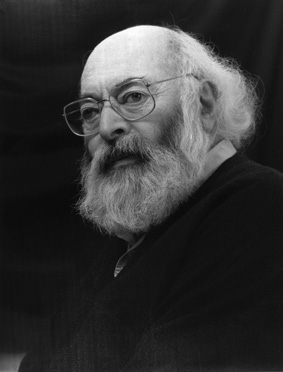
Adolfo Kaminsky
1925–2023
At eighteen, joined a Jewish resistance group in Paris and made false identity papers. His documents helped thousands of Jews avoid deportation.

John Coltrane
1926–1967
Practised so much that neighbours complained. A Love Supreme.

Cesar Chavez
1927–1993
Organised farm workers; a grape boycott followed by millions.

Gabriel García Márquez
1927–2014
One Hundred Years of Solitude, written while the family pawned the furniture.

Balkrishna Doshi
1927–2023
Housing for the poor in Indore, where residents could extend their own homes.

Agnès Varda
1928–2019
Films for sixty-five years, the last at ninety.

Elie Wiesel
1928–2016
Survived Auschwitz and Buchenwald, then wrote Night about what happened there. Spent decades bearing witness to the Holocaust and speaking against persecution and indifference.

Martin Luther King Jr.
1929–1968
Thirteen years of public life.

Ursula K. Le Guin
1929–2018
Invented worlds to ask how we might live.

Fazlur Rahman Khan
1929–1982
Invented the tube structure; tall buildings became possible and cheap.

Yayoi Kusama
born 1929
Has lived by choice in a psychiatric hospital since 1977 and walks to her studio every day.

Chinua Achebe
1930–2013
Things Fall Apart, 1958. African literature in English was given a voice from inside.

Tu Youyou
born 1930
Found artemisinin in a fourth-century text and tested it on herself. Millions of malaria deaths averted.

Jaime Escalante
1930–2010
Taught calculus in East Los Angeles to students everyone else had given up on.

Miriam Makeba
1932–2008
Sang against apartheid and was exiled for thirty-one years.

Roberto Clemente
1934–1972
Died flying relief supplies to earthquake victims in Nicaragua.

Yuri Gagarin
1934–1968
One orbit, 12 April 1961. One hundred and eight minutes.

Mercedes Sosa
1935–2009
Banned and exiled by the Argentine junta; the voice of Latin America.

Arvo Pärt
born 1935
Fell silent for eight years, then returned with music of two or three notes at a time.

Margaret Hamilton
born 1936
Led the software for the Apollo guidance computer. Her code caught the errors on the way to the Moon.

Fela Kuti
1938–1997
Invented Afrobeat and used it against a military government, which burned his house down.

Junko Tabei
1939–2016
The first woman on Everest, in 1975, after an avalanche buried her camp.

Wangari Maathai
1940–2011
Paid Kenyan women to plant trees. Some fifty million trees.

Wilma Rudolph
1940–1994
Polio as a child; three gold medals in Rome at twenty.

Mahmoud Darwish
1941–2008
Palestine's poet; thirty books, read across the Arab world.

Dennis Ritchie
1941–2011
The C language and, with Ken Thompson, Unix. Most of the internet runs on their descendants.

Hayao Miyazaki
born 1941
Drew films by hand about children, wind and machines, for sixty years.

Muhammad Ali
1942–2016
Refused to be drafted and lost three years at his peak.

El Anatsui
born 1944
Sculptures the size of buildings, made from thousands of bottle caps.

Nusrat Fateh Ali Khan
1948–1997
Qawwali, sung for hours at a stretch, heard far outside the shrines it came from.

Tim Berners-Lee
born 1955
Wrote the World Wide Web in 1990 and gave it away.

Rigoberta Menchú
born 1959
Told the story of the Maya in Guatemala's war and was heard around the world.

Maryam Mirzakhani
1977–2017
The first woman to win the Fields Medal. Died at forty.
Nobody knows yet.


.jpg)


.jpg)


.jpg)


.jpg)


.jpg)


.jpg)

.jpg)

.jpg)

.jpg)


.jpg)


.jpg)


.jpg)


._photo_by_Linda_Fletcher_-_1.jpg)


.jpg)


.jpg)

.jpg)


Move across the photograph.

Move across the photograph.

Someone in here may change something.
Nobody knows who yet.
This is an incomplete selection of people whose stories show care, courage, discovery or creative work. It is shaped by the sources we have found and the limits of this project.
Being included is not an endorsement of everything a person did. Being left out says nothing about someone’s worth or contribution.
These are brief sketches. Dates are sometimes approximate, and lives and claims have been simplified.
Corrections are welcome. That includes a name, a date, a quotation, a photograph or a credit.
photographs
- Siddhartha Gautama. World Imaging · Public domain
- Albert Einstein. Ferdinand Schmutzer / Adam Cuerden · Public domain
- Ludwig van Beethoven. Ludwig van Beethoven · Public domain
- Marie Curie. Henri Manuel · Public domain
- Pierre Curie. Dujardin · Public domain
- Harriet Tubman. Powelson, Benjamin F. 1823 - 1885 · Public domain
- Srinivasa Ramanujan. Creator not recorded · CC BY 4.0
- Florence Nightingale. Henry Hering (1814-1893) · Public domain
- Rabindranath Tagore. Georges Chevalier · CC BY 4.0
- Katsushika Hokusai. Creator not recorded · CC0
- Katsushika Hokusai (work). Katsushika Hokusai · Public domain
- Ignaz Semmelweis. József Borsos / Albert Doctor · Public domain
- Imhotep. Creator not recorded · CC0
- Confucius. Anonymous Chinese painter of the Western Han period · Public domain
- Socrates. Copy of Lysippos (?) · Public domain
- Aristotle. After Lysippos · Public domain
- Euclid. Jusepe de Ribera (Spanish / Italian, 1591 - 1652) (1591 - 1652) – artist (Spanish / Italian) Details on Google Art Project · Public domain
- Ashoka. Photo Dharma from Sadao, Thailand · CC BY 2.0
- Hypatia. Alfred Seifert · Public domain
- Avicenna. National Library of Medicine · No known restrictions
- Hildegard of Bingen. Creator not recorded · Public domain
- Fibonacci. Taty2007 · CC BY-SA 4.0
- Rumi. Hossein Behzad · Public domain
- Ibn Battuta. Léon Benett · Public domain
- Filippo Brunelleschi. scan uploaded by Sailko, cropped by MenkinAlRire · Public domain
- Johannes Gutenberg. Kenneth C. Zirkel · CC BY-SA 4.0
- Leonardo da Vinci. Attributed to Francesco Melzi · Public domain
- Nicolaus Copernicus. Creator not recorded · Public domain
- Henry Dunant. Frédéric Boissonnas · Public domain
- Emily Dickinson. Creator not recorded · Public domain
- Vincent van Gogh. Vincent van Gogh · Public domain
- Nikola Tesla. Napoleon Sarony · Public domain
- Hilma af Klint. According to Moderna Museet the photographer is unknown · Public domain
- Mary Anderson. Creator not recorded · Public domain
- Scott Joplin. Creator not recorded · Public domain
- Franz Kafka. Creator not recorded · Public domain
- Zora Neale Hurston. Creator not recorded · Public domain
- Sergei Korolev. Creator not recorded · CC BY 4.0
- Louise Bourgeois. Creator not recorded · CC BY-SA 4.0
- Ben Enwonwu. Creator not recorded · Public domain
- Toni Morrison. John Mathew Smith (celebrity-photos.com) · CC BY-SA 2.0
- Galileo Galilei. Justus Sustermans · Public domain
- Artemisia Gentileschi. Artemisia Gentileschi · Public domain
- Sophie Germain. s:fr:Auteur:Sophie Germain · Public domain
- Mary Anning. Credited to 'Mr. Grey' in Crispin Tickell's book 'Mary Anning of Lyme Regis' (1996) · Public domain
- Mary Seacole. Creator not recorded · Public domain
- Elizabeth Blackwell. Unknown artist · Public domain
- Gregor Mendel. Creator not recorded · Public domain
- Savitribai Phule. आशीष भटनागर · CC BY-SA 3.0
- Auguste Rodin. George Charles Beresford · Public domain
- Berthe Morisot. Creator not recorded · Public domain
- Lise Meitner. Harris & Ewing · Public domain
- Emmy Noether. Unknown author Publisher: Mathematical Association of America [3], Brooklyn Museum [4], Agnes Scott College [5], [6] · Public domain
- Igor Stravinsky. George Grantham Bain Collection · Public domain
- Barbara McClintock. Smithsonian Institution/Science Service; Restored by Adam Cuerden · Public domain
- Chien-Shiung Wu. Smithsonian Institution · No known restrictions
- Maurice Hilleman. Walter Reed Army Medical Center · Public domain
- Rosalind Franklin. MRC Laboratory of Molecular Biology · CC BY-SA 4.0
- Astor Piazzolla. Creator not recorded · Public domain
- Paulo Freire. Slobodan Dimitro · CC BY-SA 3.0
- Nina Simone. Gerrit de Bruin · CC BY 4.0
- Zaha Hadid. Dmitry Ternovoy · Free Art License
- Miguel de Cervantes. Attributed to Juan de Jáuregui · Public domain
- Antonie van Leeuwenhoek. Jan Verkolje · Public domain
- Johann Sebastian Bach. Elias Gottlob Haussmann · Public domain
- Michael Faraday. Creator not recorded · Public domain
- Josephine Cochrane. Post of Romania · Public domain
- Anne Sullivan. Family member of Thaxter P. Spencer, now part of the R. Stanton Avery Special Collections, at the New England Historic Genealogical Society. See Press Release [1] for more information. · Public domain
- Wilbur Wright. Orville Wright and Wilbur Wright (credited as photographers) [1], [2] · Public domain
- Charlie Chaplin. Strauss-Peyton Studio · Public domain
- Shoji Hamada. Unidentified (Ensian published by University of Michigan) · Public domain
- Chiune Sugihara. Creator not recorded · Public domain
- Louis Armstrong. Harry Warnecke / Gus Schoenbaechler · Public domain
- Ella Baker. Jewish Daily Forward · Public domain
- Simone Weil. Creator not recorded · Public domain
- Naguib Mahfouz. Creator not recorded · Public domain
- Saalumarada Thimmakka. Arun4speed · CC0
- Fannie Lou Hamer. Adam Cuerden · Public domain
- Vasili Arkhipov. Image courtesy by Olga Arkhipova · CC BY-SA 4.0
- Abdul Sattar Edhi. Hussain · CC BY-SA 3.0
- Dashrath Manjhi. India Post, Government of India · GODL-India
- Jane Goodall. U.S. Department of State from United States · Public domain
- Valentina Tereshkova. This file comes from the website of the President of the Russian Federation and is licensed under the Creative Commons Attribution 4.0 License. In short: you are free to distribute and modify the file as long as you attribute www.kremlin.ru. Note: Works published on site before April 8, 2015 are also licensed under Creative Commons Attribution 3.0 License. The permission letter from the Press Secretary for the President of the Russian Federation is available here. · CC BY 4.0
- Ali Farka Touré. Tagles · Public domain
- Stanislav Petrov. Queery-54 · CC BY-SA 4.0
- Chico Mendes. Miranda Smith, Miranda Productions, Inc. · CC BY-SA 3.0
- Octavia E. Butler. Nikolas Coukouma · CC BY-SA 2.5
- Jadav Payeng. Jadav Payeng · CC BY-SA 3.0
- Hippocrates. Unidentified engraver · Public domain
- Archimedes. Domenico Fetti · Public domain
- Zhang Heng. Windmemories · CC BY-SA 4.0
- Aryabhata. Cpjha13 · CC BY-SA 4.0
- Brahmagupta. Pur 0 0 · CC0
- Ibn al-Haytham. Adolph Boÿ, engraved by Jeremias Falck. Used as the frontispiece to Johannes Hevelius, Selenographia, 1647 · Public domain
- Bi Sheng. Popolon · CC BY-SA 4.0
- Murasaki Shikibu. Tosa Mitsuoki (1617 - 1691) · Public domain
- Shen Kuo. Hans A. Rosbach · CC BY-SA 3.0
- Al-Jazari. Al-Jazari · Public domain
- Maria Sibylla Merian. Jacob Marrel · Public domain
- Edward Jenner. John Raphael Smith · Public domain
- Charles Babbage. Creator not recorded · Public domain
- John Snow. Creator not recorded · Public domain
- Ada Lovelace. Antoine Claudet · Public domain
- Maria Montessori. Creator not recorded · Public domain
- Grace Hopper. James S. Davis · Public domain
- Rachel Carson. U.S. Fish and Wildlife Service · Public domain
- Alan Turing. Elliott & Fry · Public domain
- Hedy Lamarr. Creator not recorded · Public domain
- Claude Shannon. Creator not recorded · CC BY 2.0
- Radia Perlman. Scientist-100 at English Wikipedia · Public domain
- Maimonides. Blaisio Ugolino · Public domain
- Sejong the Great. Marsilar · CC BY-SA 4.0
- Michelangelo. Attributed to Daniele da Volterra · Public domain
- Mimar Sinan. Mimar Sinan · Public domain
- Andreas Vesalius. Jan van Calcar · Public domain
- Sen no Rikyū. painted by 長谷川等伯, calligraphy by 春屋宗園 · Public domain
- William Shakespeare. Attributed to John Taylor · Public domain
- Johannes Kepler. August Köhler [1] · Public domain
- Johannes Vermeer. Johannes Vermeer · Public domain
- Isaac Newton. Godfrey Kneller · Public domain
- Antonio Stradivari. Possibly Francesco Gialdisi · Public domain
- Sor Juana Inés de la Cruz. Miguel Cabrera · Public domain
- Leonhard Euler. Jakob Emanuel Handmann · Public domain
- Wolfgang Amadeus Mozart. Johann Nepomuk della Croce · Public domain
- Carl Friedrich Gauss. Christian Albrecht Jensen · Public domain
- Moses Montefiore. Henry Weigall · Public domain
- Charles Darwin. Charles_Darwin_seated.jpg: Henry Maull (1829–1914) and John Fox (1832–1907) (Maull & Fox) [3] derivative work: Beao · Public domain
- Clara Schumann. Franz Hanfstaengl · Public domain
- Joseph Bazalgette. Lock & Whitfield / Adam Cuerden · Public domain
- Fyodor Dostoevsky. Vasily Perov · Public domain
- Louis Pasteur. Paul Nadar · Public domain
- Joseph Lister. Creator not recorded · Public domain
- Leo Tolstoy. Sergei Prokudin-Gorskii · Public domain
- James Clerk Maxwell. Creator not recorded · Public domain
- Dmitri Mendeleev. Original: Unknown author Upload: Germansociety2014 · Public domain
- Paul Cézanne. Paul Cézanne · Public domain
- Claude Monet. Nadar · Public domain
- Emily Warren Roebling. Creator not recorded · Public domain
- Wilhelm Röntgen. Erwin Hanfstaengl · Public domain
- Antoni Gaudí. Pau Audouard Deglaire · Public domain
- Booker T. Washington. Harris & Ewing · Public domain
- Jane Addams. Adam Cuerden · Public domain
- Theodor Herzl. Ephraim Moses Lilien · Public domain
- Henrietta Szold. Alexander Ganan · CC BY 3.0
- Waldemar Haffkine. Creator not recorded · CC BY 4.0
- Fridtjof Nansen. Henry Van der Weyde · Public domain
- Ida B. Wells. Adam Cuerden · Public domain
- George Washington Carver. Adam Cuerden · Public domain
- Käthe Kollwitz. Hugo Erfurth · Public domain
- Frank Lloyd Wright. New York World-Telegram and the Sun staff photographer: Al Ravenna · Public domain
- Lillian Wald. Harris & Ewing · Public domain
- Karl Landsteiner. Bachrach Studios · Public domain
- Mahatma Gandhi. Elliott & Fry · Public domain
- Rosa Luxemburg. Creator not recorded · Public domain
- Vincent van Gogh, age 19, a junior clerk at an art dealer's.. Jacobus Marinus Wilhelmus de Louw · Public domain
- Mary McLeod Bethune. Carl Van Vechten / Adam Cuerden · Public domain
- Albert Schweitzer. Creator not recorded · CC BY-SA 3.0 de
- Constantin Brâncuși. Edward Steichen · Public domain
- Willis Carrier. 100th Anniversary Press Kit - Carrier Corp · Public domain
- Janusz Korczak. portret bezautorski · Public domain
- Helen Keller. Creator not recorded · Public domain
- Pablo Picasso. Argentina. Revista Vea y Lea · Public domain
- Alexander Fleming. Official photographer · Public domain
- Virginia Woolf. George Charles Beresford / Adam Cuerden · Public domain
- Maria Skłodowska, age 16.. Creator not recorded · Public domain
- Niels Bohr. The American Institute of Physics credits the photo [1] to AB Lagrelius & Westphal, which is the Swedish company used by the Nobel Foundation for most photos of its book series Les Prix Nobel. · Public domain
- Aristides de Sousa Mendes. Comité Sousa Mendes, Famille de Sousa Mendes · Educational reuse with credit
- Diego Rivera. Creator not recorded · Public domain
- Tarsila do Amaral. Creator not recorded · Public domain
- Nikolai Vavilov. World Telegram staff photographer · Public domain
- Nadia Boulanger. Edmond Joaillier (1886-1939), Paris http://data.bnf.fr/14764348/edmond_joaillier/ · Public domain
- Anna Akhmatova. Pavel Nikolaevič Luknickij · Public domain
- Frederick Banting. Louis Schmidt · Public domain
- Wilder Penfield. United States National Library of Medicine · Public domain
- Gisi Fleischmann. Fleischmann family archive · CC BY-SA 4.0
- Recha Freier. קק"ל · Public domain
- Lili Boulanger. Henri Manuel · Public domain
- Albert Einstein, age 15.. Creator not recorded · Public domain
- Carl Lutz. Fortepan 105824 / ETH Zurich Archives of Contemporary History / Agnes Hirschi · CC BY-SA 3.0
- Janaki Ammal. Creator not recorded · Public domain
- Dorothy Day. Vivian Cherry · Public domain
- Umm Kulthum. Production company · Public domain
- Jorge Luis Borges. Grete Stern · Public domain
- Duke Ellington. Creator not recorded · Public domain
- Anni Albers. Art is a word · Public domain
- Ludwig Guttmann. Creator not recorded · CC BY-SA 3.0
- Hassan Fathy. Dimitri Papadimos personal archive with his son Ioannis D.Papadimos · CC BY-SA 3.0
- Witold Pilecki. Creator not recorded · Public domain
- Langston Hughes. Carl Van Vechten · Public domain
- Ho Feng-Shan. 楊家駱 · Public domain
- Lucie Rie. 14GTR · CC0
- John von Neumann. LANL · Attribution
- Barbara Hepworth. Barbara Hepworth · Public domain
- George Nakashima. Creator not recorded · Public domain
- Dmitri Shostakovich. Creator not recorded · Public domain
- Hannah Arendt. Barbara Niggl Radloff · CC BY-SA 4.0
- Tuvia Bielski. Jewish Partisan Educational Foundation / Novogrodek, The History of a Jewish Shtel (www.novogrudek.com) · Free unchanged reuse with credit
- Albert Sabin. Creator not recorded · Public domain
- Frida Kahlo. Guillermo Kahlo · Public domain
- Charles and Ray Eames. "Charles & Ray Eames. The Power of Design" by HeinzDS is licensed under CC BY-SA 2.0. · CC BY-SA 2.0
- Oscar Niemeyer. Unknown (Mondadori Publishers) · Public domain
- Varian Fry. Creator not recorded · Public domain
- Abraham Joshua Heschel. Creator not recorded · Public domain
- Remedios Varo. Museu Nacional d'Art de Catalunya · CC BY-SA 4.0
- Oskar Schindler. Creator not recorded · Public domain
- Virginia Apgar. March of Dimes · Public domain
- Nicholas Winton. cs:User:Li-sung · CC BY-SA 3.0
- Irena Sendler. Creator not recorded · Public domain
- Django Reinhardt. William P. Gottlieb / Adam Cuerden · Public domain
- Akira Kurosawa. 映画の友 (Eiga no tomo) · Public domain
- Ruth Gruber. Lysanzia at English Wikipedia · Public domain
- Raoul Wallenberg. Creator not recorded · Public domain
- Amrita Sher-Gil. Unknown author probably Umrao Singh Sher-Gil (1870–1954) · Public domain
- Rosa Parks. Creator not recorded · Public domain
- Gerard Sekoto. Unknown author or not provided · Public domain
- Jesse Owens. Acme News Photos · Public domain
- Jonas Salk. SAS Scandinavian Airlines · Public domain
- Norman Borlaug. Ben Zinner, USAID · Public domain
- Lina Bo Bardi. Creator not recorded · Public domain
- Tenzing Norgay. SAS Scandinavian Airlines · Public domain
- Billie Holiday. William P. Gottlieb · Public domain
- Édith Piaf. Studio Harcourt · Public domain
- M. S. Subbulakshmi. Saregama Carnatic · CC BY 3.0
- Violeta Parra. José Joaquín Cortes · CC BY-SA 4.0
- Óscar Romero. Arzobispado de San Salvador; Congregatio de Causis Sanctorum · Public domain
- Katherine Johnson. NASA · Public domain
- Nelson Mandela. Kingkongphoto & www.celebrity-photos.com from Laurel · CC BY-SA 2.0
- Anna Mani. Rajasekharan Parameswaran · CC BY-SA 4.0
- Gertrude B. Elion. GlaxoSmithKline plc · CC BY 4.0
- Ravi Shankar. Markgoff2972 · CC BY-SA 4.0
- Sophie Scholl. Figurator · CC BY-SA 4.0
- Satyajit Ray. Dinu Alam Newyork · CC BY-SA 4.0
- Verghese Kurien. Ministry of Railways · GODL-India
- Wisława Szymborska. Mariusz Kubik · CC BY 3.0
- James Baldwin. Allan warren · CC BY-SA 3.0
- Celia Cruz. Ibrahim Arce (Narcy Studios photographer), most likely · Public domain
- Adolfo Kaminsky. Zapruder / Storie in Movimento, no. 39 (2016), p. 113. Photographer not identified in the source. · CC BY-NC-SA 4.0
- John Coltrane. Gelderen, Hugo van / Anefo · CC0
- Cesar Chavez. Trikosko, Marion S., photographer · Public domain
- Gabriel García Márquez. Jose Lara · CC BY-SA 2.0
- Balkrishna Doshi. Sanyam Bahga · CC BY-SA 3.0
- Agnès Varda. Martin Kraft · CC BY-SA 4.0
- Elie Wiesel. John Mathew Smith & www.celebrity-photos.com from Laurel Maryland, USA · CC BY-SA 2.0
- Martin Luther King Jr.. Bernie Faingold · Public domain
- Ursula K. Le Guin. Marian Wood Kolisch, Oregon State University Restored by Adam Cuerden · CC BY-SA 2.0
- Fazlur Rahman Khan. Luthador · CC BY-SA 3.0
- Yayoi Kusama. Muriel Guingand · CC BY 3.0
- Chinua Achebe. Carlo Bavagnoli · Public domain
- Tu Youyou. Bengt Nyman from Vaxholm, Sweden · CC BY 2.0
- Jaime Escalante. Los Angeles Times · CC BY 4.0
- Miriam Makeba. Paul Weinberg · CC BY-SA 3.0
- Roberto Clemente. Creator not recorded · Public domain
- Yuri Gagarin. Александр Моклецов / СовИнформБюро · CC BY 4.0
- Mercedes Sosa. Annemarie Heinrich · Public domain
- Arvo Pärt. Woesinger · CC BY-SA 2.0
- Margaret Hamilton. Daphne Weld Nichols · CC BY-SA 3.0
- Fela Kuti. Distributed by Celluloid Records · Public domain
- Junko Tabei. Jaan Künnap · CC BY-SA 4.0
- Wangari Maathai. Kingkongphoto & www.celebrity-photos.com from Laurel Maryland, USA · CC BY-SA 2.0
- Wilma Rudolph. Lindeboom, Henk / Anefo · CC BY-SA 3.0 nl
- Mahmoud Darwish. Amer Shomali · CC BY-SA 3.0
- Dennis Ritchie. Denise Panyik-Dale · CC BY 2.0
- Hayao Miyazaki. Natasha Baucas at https://www.flickr.com/photos/sdnatasha/ · CC BY 2.0
- Muhammad Ali. Ira Rosenberg · Public domain
- El Anatsui. hahnchen · CC BY-SA 3.0
- Nusrat Fateh Ali Khan. Thomas Rome · CC BY 2.0
- Tim Berners-Lee. Summit · CC BY 4.0
- Rigoberta Menchú. Gobierno de Guatemala · Public domain
- Maryam Mirzakhani. Romainbehar · CC0
- A potter, 2017. Dominic A. Kyilleh · CC BY-SA 4.0
- Malam Atta Market, Accra, 2017. Angela L. Rak · CC BY-SA 4.0
- 2017. Karim Diarra · CC BY-SA 4.0
- A travelling tailor, 2015. Karim Diarra · CC BY-SA 4.0
- Accra, 2017. S*c*hart · CC BY-SA 4.0
- Makoko, 2017. Buchwithlenses · CC BY-SA 4.0
- An urban planner on site, Togo, 2017. gabedem · CC BY-SA 4.0
- A game of chess, 2019. Kasule joe · CC BY-SA 4.0
- At work, 2015. Njata123 · CC BY-SA 4.0
- A blacksmith, 2017. Mouahé · CC BY-SA 4.0
- 2017. Mr One ZED · CC BY-SA 4.0
- Festa de Iemanjá, Cachoeira, Bahia, 2019. Ckmartinelli · CC BY-SA 4.0
- A carpenter in his workshop, 2017. oumaima kh · CC BY-SA 4.0
- At work, 2015. Njata123 · CC BY-SA 4.0
- Maize huskers, Ferkessédougou, Côte d’Ivoire, 2017. Mouahé · CC BY-SA 4.0
- A shoemaker, 2017. oumaima kh · CC BY-SA 4.0
- A coppersmith, 2017. oumaima kh · CC BY-SA 4.0
- At work, 2016. Njata123 · CC BY-SA 4.0
- Al-Muizz Street, Cairo, 2017. Mohamedwardany · CC BY-SA 4.0
- A coppersmith, 2017. oumaima kh · CC BY-SA 4.0
- 100 metres, junior girls, 2019. Arch-Angel Raphael the Artist · CC BY-SA 4.0
- A 100-hour inspection, 2016. Fahariya · CC BY-SA 4.0
- 2011. Shark studio · CC BY-SA 4.0
- In the kitchen, 2017. Nicholasbas · CC BY-SA 4.0
- Aboard the trawler African Queen, 2011. Zatoka33 · CC BY-SA 4.0
- Brazil, 2018. Malucampello · CC BY-SA 4.0
- City Park, Nairobi, 2017. Kirazeen19 · CC BY-SA 4.0
- Imilchil, Morocco, 2018. Kamal taibaoui · CC BY-SA 4.0
- Busua, Ghana, 2018. Kirazeen19 · CC BY-SA 4.0
- Kalunga territory, Goiás, Brazil, 2020. Fotógrafo Sérgio Silva · CC BY-SA 4.0
- A vaccination, 2021. Selavanis1 · CC BY-SA 4.0
- Volunteers, 2021. Ngostary2k · CC BY-SA 4.0
- Lubumbashi, 2013. Tannoglou · CC BY-SA 4.0
- Ghana, 2016. Amuzujoe · CC BY-SA 4.0
- Togo, 2017. FabienneEtMarc · CC BY-SA 4.0
- 400 metres relay, 2019. Arch-Angel Raphael the Artist · CC BY-SA 4.0
- Kliptown, 2018. 5th Place · CC BY-SA 4.0
- Wajir, Kenya, 2020. Ahmed Abdi Muhumed · CC BY-SA 4.0
- Three generations, 2018. Enis Eryilmaz · CC BY-SA 4.0
- School children, 2018. Enis Eryilmaz · CC BY-SA 4.0
- Rwanda, 2021. Lizadeborah03 · CC BY-SA 4.0
- 2021. GATETE Pacifique · CC BY-SA 4.0
- A boy with a bicycle rim, 2017. Calvink255 · CC BY-SA 4.0
- 2016. Rasheedhrasheed · CC BY-SA 4.0
- 2020. Bhing1982 · CC BY-SA 4.0
- 2019. Arch-Angel Raphael the Artist · CC BY-SA 4.0
- A fruit stall, 2021. Oluwaseyi Ale · CC BY-SA 4.0
- University of Nigeria, Nsukka, 2021. Onwuka Glory · CC BY-SA 4.0
- 2018. Kwameghana · CC BY-SA 4.0
- A market, 2021. Temmydolph · CC BY-SA 4.0
- A dance competition, 2018. Tonny Mpagi · CC BY-SA 4.0
- Orji flyover, Owerri, 2021. Dolphyb · CC BY-SA 4.0
- Owerri, 2021. Lilianfeliz · CC BY-SA 4.0
- A doctor on call, Owerri, 2021. Lilianfeliz · CC BY-SA 4.0
- 2021. Alhassan Mohammed Awal · CC BY-SA 4.0
- 2020. Sosoanis · CC BY-SA 4.0
- Owerri, 2021. Lilianfeliz · CC BY-SA 4.0
- 2021. Rawan.Ashraf19 · CC BY-SA 4.0
- 2018. Rasheedhrasheed · CC BY-SA 4.0
- Ghana, 2020. Dozzymanchiedozie · CC BY-SA 4.0
- Nurses with a baby, 2021. Happi Raphael · CC BY-SA 4.0
- A JR East station, Tokyo, 2007. Tamaki Sono · CC BY 2.0
- An orchestra rehearsal, 2019. LJE NRW · CC BY-SA 4.0
- Ho Chi Minh City, 2019. Balon Greyjoy · CC0
- Ho Chi Minh City, 2019. Balon Greyjoy · CC0
- Kumbh Mela, Prayagraj, 2019. Michael T Balonek · CC BY-SA 4.0
- String Fest, Pennsylvania, 2026. A.Classical-Futurist · CC0
- Cuatro Caminos metro, Mexico City, 2008. vladimix · CC BY-SA 2.0
- Andahuaylas, Peru, 2019. Thayne Tuason · CC BY 4.0
- Shinjuku, Tokyo. Carles Tomás Martí from Stockholm, Sverige · CC BY 2.0
- Shinjuku Station, 2013. Dick Thomas Johnson · CC BY 2.0
- Siam station, Bangkok, 2014. Romtam · CC BY-SA 3.0
- Kolkata, 2009. shankar s. from sharjah, united arab emirates · CC BY 2.0
- A street football game, 2018. Cecil Dzwowa · CC BY-SA 4.0
- Maha Kumbh Mela, Prayagraj, 2025. Mishra12krati · CC BY-SA 4.0
- Shinjuku, Tokyo, 2011. Tomi Mäkitalo · CC BY-SA 3.0
- Grand Central Terminal, New York, 2025. Mbar97 · CC BY-SA 4.0
- Delhi Metro, 2023. Celestinesucess · CC BY-SA 4.0
- A garment factory, Bangladesh, 2011. Tareq Salahuddin from Dhaka, Bangladesh · CC BY 2.0
- Grand Central Terminal, 2021. Billie Grace Ward from New York, USA · CC0
- Shibuya, Tokyo, 2024. Ximonic (Simo Räsänen) · CC BY-SA 4.0
- Shibuya, Tokyo. KimonBerlin · CC BY-SA 2.0
- The ferry to Büyükada, Istanbul, 2022. Phil Venditti from University Place, Washington, USA · CC BY 2.0
- A jeepney, the Philippines. Jorge Láscar from Melbourne, Australia · CC BY 2.0
- Kibagare, Nairobi, 2022. Ninara · CC BY 2.0
- A university library, Kampala, 2019. Nsheila · CC BY-SA 4.0
- Bundang Line, Seoul. No machine-readable author provided. BetacommandBot assumed (based on copyright claims). · CC BY-SA 3.0
- Mumbai Suburban Railway, 2007. Jorge Láscar from Australia · CC BY 2.0
- A Mumbai local train, 2010. Satish Krishnamurthy · CC BY-SA 2.0
- Patriotismo station, Mexico City, 2025. ProtoplasmaKid · CC BY-SA 4.0
- Rajiv Chowk metro station, New Delhi, 2021. Sumita Roy Dutta · CC BY-SA 4.0
- Godomey, Benin, 2019. Rofik Adam · CC BY-SA 4.0
- Pasteur station, Paris. Roehrensee · CC BY-SA 4.0
- A laboratory, 2004. Maggie Bartlett, NHGRI · Public domain
- National Youth Orchestras of China and the United States, Purchase, New York, 2017. Ottoklemperer1885 · CC BY-SA 4.0
- Kibera, Nairobi, 2015. Ninara from Helsinki, Finland · CC BY 2.0
- Nairobi, 2019. Keshie Muchai · CC BY-SA 4.0
- New York City subway, 2014. Adjoajo · CC BY-SA 3.0
- Esplanade tram terminus, Kolkata, 2019. Tgtram · CC BY-SA 4.0
- A youth orchestra rehearsal, 2014. Mehlauge · CC BY-SA 4.0
- Franklin D. Roosevelt station, Paris, 2007. Ricardo Martins · CC BY 2.0
- A laboratory, 2022. Aidar Turlanov · CC BY 4.0
- Musanze, Rwanda, 2018. Hirwadanny · CC BY-SA 4.0
- Airport train, Jakarta, 2017. Muhammad Pascal Fajrin · CC BY-SA 4.0
- A garment factory, Bangladesh, 2020. Fahad Faisal · CC BY-SA 4.0
- Renji Hospital, Shanghai, 2019. Sten van Houwelingen · CC BY-SA 4.0
- A laboratory, 2008. Rhoda Baer (Photographer) · Public domain
- Sadeghiyeh metro station, Tehran. Amirrezapl2r · CC BY-SA 3.0
- Shibuya, Tokyo, 2017. Mark D · CC BY-SA 2.0
- Shibuya, Tokyo, 2025. 組曲師 · CC BY 4.0
- Toyoko Line, Shibuya, 2007. Joi Ito · CC BY 2.0
- Shinjuku, Tokyo, 2011. Bryan Ledgard · CC BY 2.0
- Shinjuku Station, 2017. W & J from Earth · CC BY-SA 2.0
- Ann Street, Brisbane, 2019. Kgbo · CC BY-SA 4.0
- Nairobi, 2019. Keshie Muchai · CC BY-SA 4.0
- Subte, Buenos Aires, 2008. Emiliorisoli · CC BY-SA 3.0
- Mexico City, 2009. Eneas De Troya from Mexico City, México · CC BY 2.0
- Times Square, New York, 2019. Jim.henderson · CC BY-SA 4.0
- Tehran metro, 2023. Kasir · CC BY-SA 4.0
- Hongqiao Airport station, Shanghai, 2024. Kmchang28 · CC BY-SA 4.0
- Shinjuku, Tokyo. Kentaro Ohno · CC BY 2.0
- Times Square, New York, 2012. Ken Lund from Reno, Nevada, USA · CC BY-SA 2.0
- Avenida Paulista, São Paulo, 2006. Morio · CC BY-SA 3.0
- Jakarta Kota station, 2022. NFarras · CC BY-SA 4.0
- Alexanderplatz, Berlin, 2007. Jcornelius · CC BY-SA 3.0
- A school, Vietnam, 2013. USAID Vietnam · Public domain
- An orchestra rehearsal, Madison, Wisconsin, 2024. Fastreindeer45 · CC BY-SA 4.0
- A garment factory, Bangladesh, 2013. Fahad Faisal · CC BY-SA 4.0
- Times Square, New York. הוספתי תוכן · CC BY-SA 4.0
- Urayasu Station, Tokyo. fto mizno · CC BY 2.0
- Gare du Nord, Paris. GeoMancer448 · CC BY-SA 4.0

.jpg)


.jpg)


.jpg)


.jpg)

_(cropped).jpg)

_-_Artemisia_Gentileschi.jpg)
.jpg)


.jpg)


![Unknown author Publisher: Mathematical Association of America [3], Brooklyn Museum [4], Agnes Scott College [5], [6]](https://commons.wikimedia.org/wiki/File:Emmy_Noether_(3x4_cropped).jpg)

_shown_in_her_laboratory_in_1947.jpg)
_C.jpg)

.jpg)


._Natuurkundige_te_Delft_Rijksmuseum_SK-A-957.jpeg)


![Family member of Thaxter P. Spencer, now part of the R. Stanton Avery Special Collections, at the New England Historic Genealogical Society. See Press Release [1] for more information.](https://commons.wikimedia.org/wiki/File:Helen_Keller_with_Anne_Sullivan_in_July_1888.jpg)
![Orville Wright and Wilbur Wright (credited as photographers) [1], [2]](https://commons.wikimedia.org/wiki/File:Orville_Wright_1905-crop.jpg)


.jpg)
.jpg)
.jpg)


.jpg)

.jpg)


_(2)_(cropped_2).jpg)
_crop.jpg)


.jpg)


.jpg)
_head_and_shoulders_crop.jpg)


.jpg)


.jpg)

.jpg)
.jpg)

![August Köhler [1]](https://commons.wikimedia.org/wiki/File:JKepler.jpg)

.jpg)
.jpg)
.jpg)
.jpg)


![Charles_Darwin_seated.jpg: Henry Maull (1829–1914) and John Fox (1832–1907) (Maull & Fox) [3] derivative work: Beao](https://commons.wikimedia.org/wiki/File:Charles_Darwin_seated_crop.jpg)
.jpg)


.jpg)


,_88374_p.jpg)


.jpg)
.jpg)


.jpg)
.jpg)


![The American Institute of Physics credits the photo [1] to AB Lagrelius & Westphal, which is the Swedish company used by the Nobel Foundation for most photos of its book series Les Prix Nobel.](https://commons.wikimedia.org/wiki/File:Niels_Bohr.jpg)

.jpg)


.jpg)

,_Design_for_Wall_Hanging,_1925.jpg)

.jpg)


.jpg)


.jpg)


.jpg)


.jpg)


.jpg)

.jpg)
.jpg)

.jpg)

.jpg)


.jpg)
.jpg)
.jpg)
.jpg)


_(cropped).jpg)
.jpg)

_-_Restoration.jpg)


_(cropped).jpg)
.jpg)


_2.jpg)


.jpg)


.jpg)
.jpg)
.jpg)

.jpg)


.jpg)
